|
The CEED Centre Society, formerly the Fraser Information Society, is dedicated to community education on environment and development. 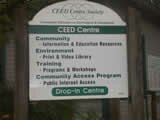 The Society operates several long-term projects out of the CEED Centre in Maple Ridge, British Columbia, Canada. The Society operates several long-term projects out of the CEED Centre in Maple Ridge, British Columbia, Canada.
Published on 12 April 2024
Engaging in conversations about the environment in English is a valuable language exercise and a crucial way to address global issues. Spanish speakers can significantly benefit from learning environment-related English, enabling them to communicate effectively on topics that affect the world around us. Here's a comprehensive guide on why Spanish speakers should learn English in an environment, basic vocabulary to get started, tips for initiating conversations, and recommendations for a YouTube channel to enhance conversational skills. Online English classes tailored for Spanish speakers (on the website) offer an excellent opportunity to learn English while exploring environmental topics. These classes provide structured lessons integrating environment-related vocabulary, discussions, and activities, allowing Spanish speakers to enhance their language skills while gaining insights into global environmental issues.
Pesticide Alternatives: CPR! MR
Campaign for Pesticide Reduction! Maple Ridge. Learn about alternatives for healthy gardens and lawns.
CPR!MR News
Maple Ridge passed the Pesticide Control Bylaw in December 2006, restricting the cosmetic use of pesticides on residential properties starting March 2007. The CEED Centre is planning a comprehensive pesticide alternatives education program.
Volunteer
Now Recruiting Volunteers!
Green Thumb?
No garden of your own? Come plant in the CEED Centre Organic Community Garden. Plots are now available.
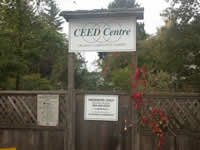
CEED Centre
Organic Community Garden
|
 |
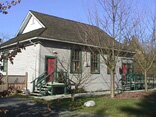
Maple Ridge Pitt Meadows Environmental Council (MRPMEC)
Environmental and stewardship groups operate a forum for cooperation and communicating consensus positions on environment-related issues. More
Organic Tips
Acetic Acid as a Biopesticide (Herbicide) for Weed Control
Flea Control
European Chafer Beetle Control
Organic Education
1-Week Intensive Program for Professionals
Learn at Our CAP Site
(Computers & Internet)
a spot in a free workshop to create your own free ecommerce site in 1 hour.
Online courses (fee-based) now available at a discount.
Celebrate Earth Day 2007
We are the contact organization for the Celebrate Earth Day festival held each year around April 22. Click here for last year's event. for 2007.
Growing Pains
As a growing site, we welcome your suggestions for improvement.
|




